
Contents
Overview
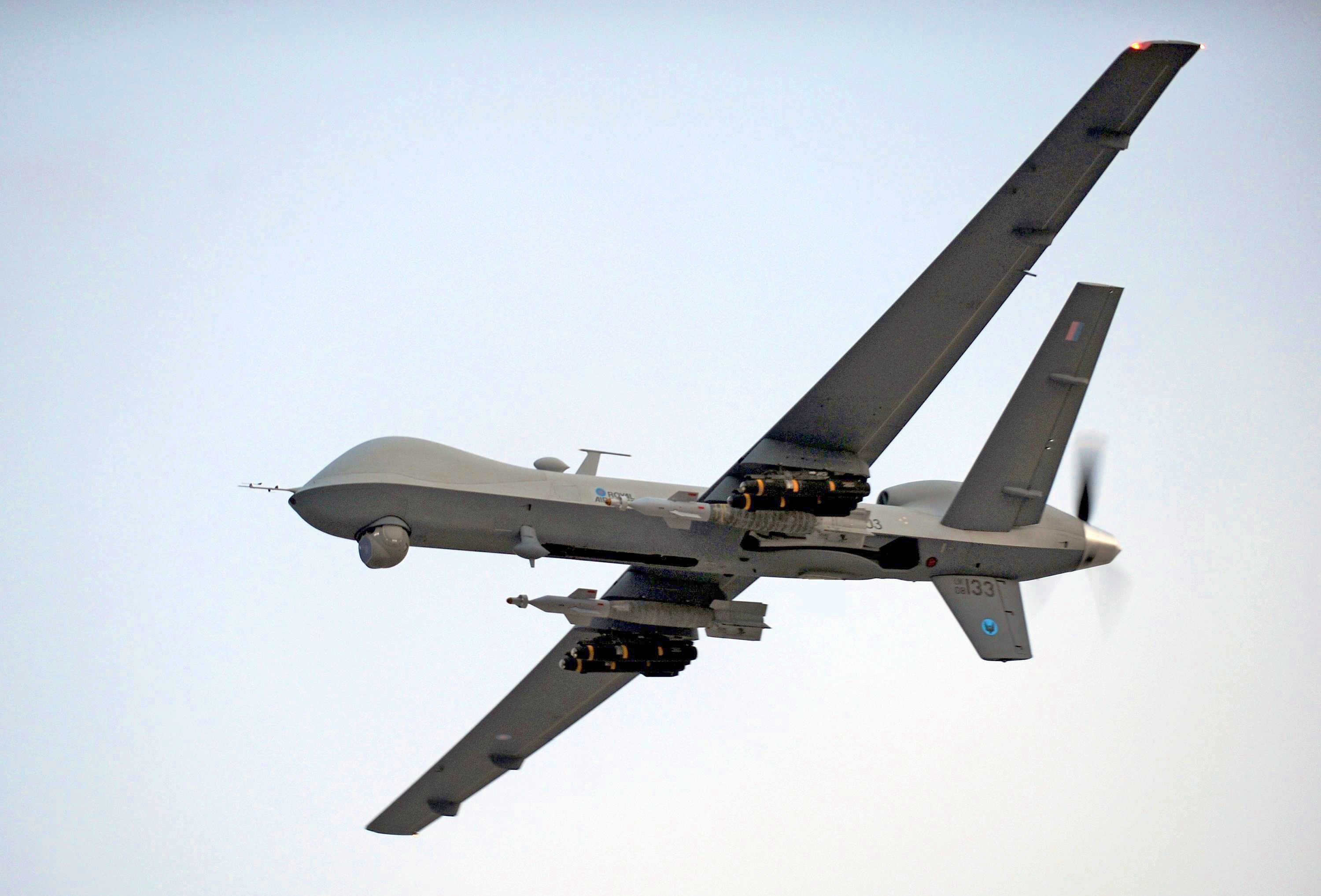
Targeted killing is a form of assassination carried out by governments outside a judicial procedure or a battlefield, with its legal status becoming a subject of contention since the late 20th century. The use of unmanned combat aerial vehicles (drones) has been argued to be more humane and accurate than manned vehicles, but scholars are divided on its effectiveness as a counterterrorism strategy. The controversy surrounding targeted killings has sparked debates among academics, military personnel, and officials, with some arguing that it is a legitimate form of self-defense, while others consider it a violation of human rights.
🎯 Origins & History
The concept of targeted killing has its roots in the mid-eighteenth century, when Western thinking generally considered the use of assassination as a tool of statecraft to be illegal. The majority of targeted killings have taken place in Pakistan and Afghanistan. The use of drones has been argued to be more humane and accurate than manned vehicles.
⚖️ Legal Status
The legal status of targeted killing is a subject of contention, with some arguing that it is a legitimate form of self-defense, while others consider it a violation of human rights.
📊 Key Facts & Numbers
The use of drones is a highly effective way of targeting terrorists, but it is not a silver bullet.
👥 Key People & Organizations
The cultural impact of targeted killings has been significant, with many arguing that it has sparked debates among academics, military personnel, and officials.
🌍 Cultural Impact & Influence
The current state of targeted killings is one of controversy and debate, with many arguing that it is a legitimate form of self-defense, while others consider it a violation of human rights.
⚡ Current State & Latest Developments
The controversies surrounding targeted killings are numerous, with many arguing that it is a violation of human rights and the rule of law. Others argue that it is a legitimate form of self-defense.
🤔 Controversies & Debates
The future outlook for targeted killings is uncertain, with many arguing that it will continue to be a key part of counterterrorism efforts. Others argue that alternative strategies should be pursued.
🔮 Future Outlook & Predictions
The practical applications of targeted killings are numerous, with many arguing that it is a highly effective way of targeting terrorists. However, others argue that alternative strategies should be pursued.
💡 Practical Applications
Related topics to targeted killings include counterterrorism, drones, and human rights. The use of targeted killings has sparked debates among academics, military personnel, and officials, with some arguing that it is a legitimate form of self-defense, while others consider it a violation of human rights.
Key Facts
- Category
- history
- Type
- concept