
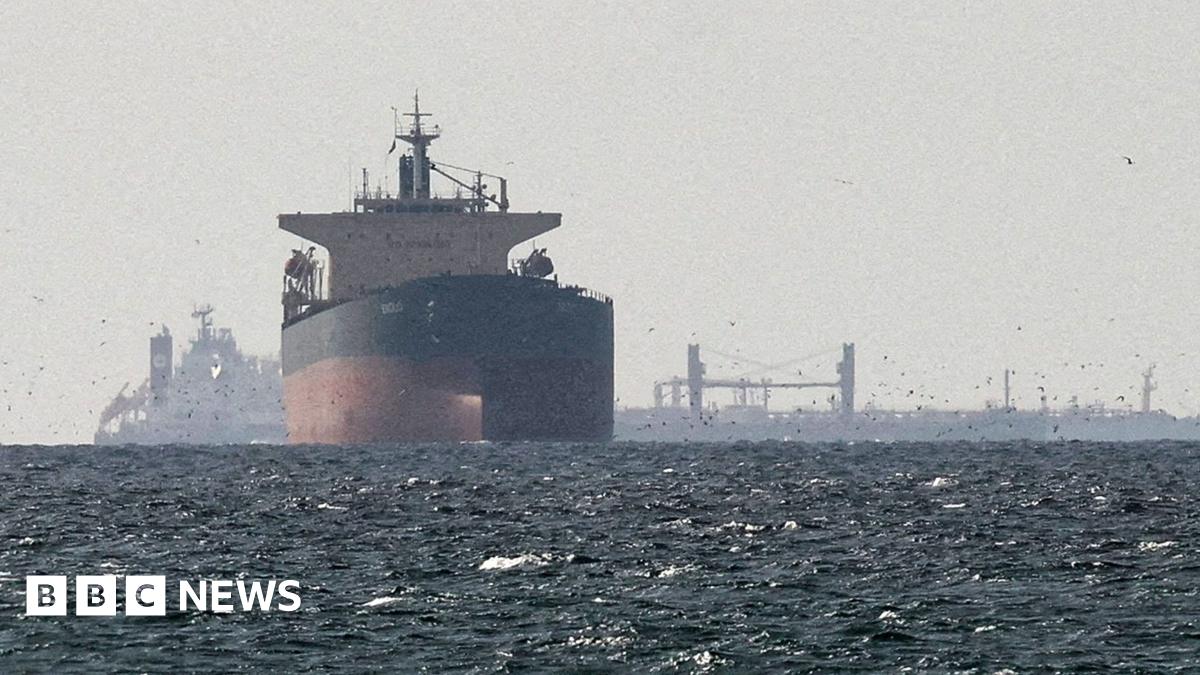
Summary
The conflict has significant implications for global energy markets, with the **Strait of Hormuz** being a critical chokepoint for oil shipments. The US blockade of Iranian ports has raised concerns about the potential for an escalation of tensions in the region. As the situation continues to unfold, it is essential to consider the perspectives of all parties involved, including **Iran**, **Israel**, **Lebanon**, and **China**. For more information on the key players, see [[donald-trump|Donald Trump]] and [[iranian-foreign-minister|Iranian Foreign Minister]].
Key Takeaways
- The Strait of Hormuz is a critical chokepoint for oil shipments, and any disruption to the flow of oil through the strait could have a major impact on the global economy
- The situation in the Middle East is complex and multifaceted, with various parties involved and competing interests at play
- The declaration by Iran's foreign minister that the Strait of Hormuz is open could be a significant step towards reducing tensions in the region
- The continuation of the US blockade of Iranian ports and the involvement of China add to the uncertainty and potential for escalation
- The ceasefire between Israel and Lebanon is considered fragile, and there are concerns about the potential for an escalation of violence
Balanced Perspective
The situation in the Middle East is complex and multifaceted, with various parties involved and competing interests at play. While the declaration by Iran's foreign minister and the ceasefire between Israel and Lebanon are positive developments, the continuation of the US blockade of Iranian ports and the involvement of China add to the uncertainty and potential for escalation. It is essential to consider the facts and the perspectives of all parties involved to gain a comprehensive understanding of the situation. For more information on the key issues, see [[us-iran-relations|US-Iran Relations]] and [[israel-lebanon-relations|Israel-Lebanon Relations]].
Optimistic View
The declaration by Iran's foreign minister that the Strait of Hormuz is open could be a significant step towards reducing tensions in the region. The ceasefire between Israel and Lebanon is also a positive development, and the drop in oil prices could have a beneficial impact on the global economy. However, it is crucial to consider the potential risks and challenges associated with the situation, including the possibility of an escalation of violence. For more information on the potential consequences, see [[global-economy|Global Economy]] and [[middle-east-conflicts|Middle East Conflicts]].
Critical View
The situation in the Middle East is highly volatile, and the declaration by Iran's foreign minister that the Strait of Hormuz is open may not be sufficient to reduce tensions in the region. The continuation of the US blockade of Iranian ports and the involvement of China could lead to an escalation of violence, with potentially catastrophic consequences for the global economy and regional stability. It is crucial to consider the potential risks and challenges associated with the situation and to develop strategies for mitigating them. For more information on the potential risks, see [[global-security|Global Security]] and [[middle-east-geopolitics|Middle East Geopolitics]].
Source
Originally reported by BBC