
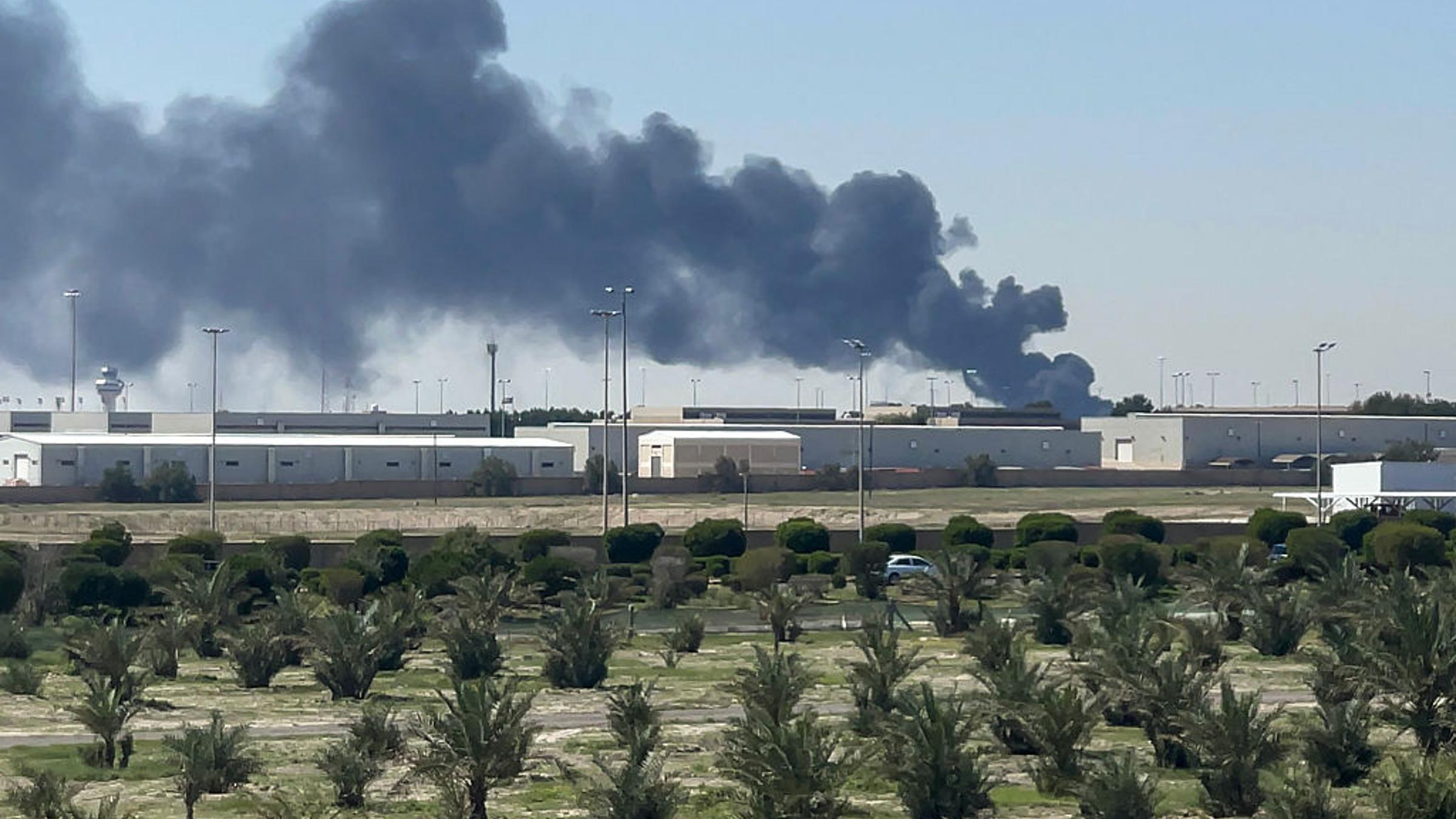
Summary
The conflict between the U.S. and **Iran** has been ongoing since February 28, with both sides suffering losses. The IRGC's threat to target U.S. tech firms has added a new dimension to the conflict, with potential implications for the global economy. The situation is complex, with multiple countries and companies involved. [[israel|Israel]] has been a key player in the conflict, with its military and defense firms linked to several of the companies on the IRGC's list. The U.S. has been trying to negotiate an end to the conflict, but the situation remains volatile. The IRGC's threat has raised concerns about the potential for cyberattacks and other forms of retaliation, with several companies taking steps to enhance their security measures.
Key Takeaways
- The IRGC has threatened to target 18 U.S. tech firms, including Apple, Google, and Meta
- The U.S. and Iran have been engaged in a war since February 28
- The IRGC has given a specific list of targets and a timeline for retaliation
- The situation is complex and multifaceted, with multiple countries and companies involved
- The conflict has significant implications for the global economy and the stability of the Middle East
Balanced Perspective
The situation is complex and multifaceted, with multiple countries and companies involved. The IRGC's threat to target U.S. tech firms is a serious escalation of the conflict, but it is unclear how likely it is that the IRGC will follow through on its threat. The U.S. and **Iran** have been engaged in a war of words, with both sides accusing each other of aggression. The involvement of **Israel** and other countries in the region adds to the complexity of the situation. The conflict has the potential to have significant implications for the global economy and the stability of the **Middle East**. [[global-economy|Global economic stability]] is at risk, and the situation requires careful monitoring and diplomatic efforts to resolve.
Optimistic View
The IRGC's threat may be a negotiating tactic, and the U.S. and Iran may still be able to reach a peaceful resolution to the conflict. The fact that the IRGC has given a specific list of targets and a timeline for retaliation suggests that they may be open to negotiations. **U.S. President Donald Trump** has expressed a desire to end the war, and **Iran** may be willing to compromise if the U.S. agrees to certain conditions. The involvement of **Israel** and other countries in the region adds complexity to the situation, but it also creates opportunities for diplomatic efforts to resolve the conflict. [[diplomacy|Diplomatic efforts]] may be able to find a way to address the concerns of all parties involved and bring an end to the conflict.
Critical View
The IRGC's threat to target U.S. tech firms is a serious escalation of the conflict, and it is likely that the situation will continue to deteriorate. The U.S. and **Iran** are engaged in a cycle of retaliation, with both sides suffering losses. The involvement of **Israel** and other countries in the region adds to the complexity of the situation and increases the risk of further escalation. The conflict has the potential to have significant implications for the global economy and the stability of the **Middle East**. The IRGC's threat may be a sign that **Iran** is preparing for a long and bloody conflict, and the U.S. and its allies may need to take steps to protect their interests and citizens. [[cybersecurity|Cybersecurity measures]] may need to be enhanced to protect against potential cyberattacks.
Source
Originally reported by Time Magazine